
For fitness enthusiasts with limited time, a concise and effective workout is crucial. This routine offers a simple plan, leveraging resistance bands for impactful results in just fifteen minutes.
Benefits of Short, Intense Workouts
Time constraints often hinder consistent exercise, but short, intense workouts offer a powerful solution. Fifteen-minute sessions, like those utilizing resistance bands, deliver significant benefits despite their brevity. These workouts boost cardiovascular health, improve muscular endurance, and enhance overall fitness levels efficiently.

The intensity maximizes calorie burn in a minimal timeframe, aiding in weight management. Furthermore, short bursts of exercise can elevate mood and reduce stress, contributing to mental well-being. Consistency is key, and shorter workouts are more sustainable for busy schedules, fostering long-term adherence. They also minimize the risk of overtraining and injury, allowing for quicker recovery periods. Prioritizing quality over quantity, with slow and controlled repetitions, ensures optimal results.
Why Resistance Bands?
Resistance bands are an incredibly versatile and accessible fitness tool, making them ideal for quick, effective workouts. They provide variable resistance, accommodating all fitness levels – simply switch bands or increase tension. Lightweight and portable, bands enable workouts anywhere, anytime, eliminating gym access barriers.
Unlike traditional weights, bands offer constant tension throughout the entire range of motion, maximizing muscle activation. They’re also joint-friendly, reducing the risk of impact-related injuries. Bands are cost-effective, offering a full-body workout solution without expensive equipment. Exercises like chest crossovers, shoulder presses, bicep curls, and squats become easily achievable, promoting strength and endurance. Proper form and controlled movements are crucial to maximize benefits and prevent strain, ensuring a safe and productive workout experience.

Workout Structure: Push & Pull Split
This routine utilizes a push/pull split, dedicating one day to pushing exercises (chest, shoulders, triceps, abs) and another to pulling (legs, back, biceps) for optimal recovery.
Understanding the Push/Pull Split
The push/pull split is a highly effective training method that organizes workouts based on movement patterns. “Push” days focus on exercises that involve pushing weight away from the body, targeting muscle groups like the chest, shoulders, and triceps. Conversely, “pull” days concentrate on movements that pull weight towards the body, engaging muscles in the back, biceps, and legs.
This split allows for efficient muscle recovery as opposing muscle groups are worked on separate days. For example, after a challenging chest workout, the chest muscles can recover while the back muscles are being trained on the pull day. This approach maximizes training frequency and promotes muscle growth. A typical schedule involves alternating push and pull days with rest days interspersed, like Day 1: push, Day 2: pull, Day 3: rest, and so on.
Day 1: Push Workout
Your first workout focuses on “push” movements, targeting chest, shoulders, triceps, and abs. Begin with resistance band chest crossovers, standing with the band anchored, and pulling towards the chest. Follow this with band shoulder presses, performing reps with both hands or alternating sides for a focused approach. Incorporate band side lateral raises, ensuring controlled movements on each side.
For triceps, perform band tricep pushdowns, maintaining tension throughout the exercise. Finish with abdominal work, choosing from crunches, planks, or lying leg raises. Aim for 3-4 sets of 8-12 repetitions for each exercise, resting for 2 minutes between sets. Prioritize slow, controlled reps, focusing on quality over quantity to maximize muscle engagement and minimize injury risk.
Chest Exercises with Resistance Bands
To effectively target your chest using resistance bands, focus on exercises that mimic traditional weightlifting movements. Standing band chest crossovers are excellent, anchoring the band and pulling it across your chest, squeezing your pectoral muscles. Ensure a controlled motion, maintaining tension throughout the entire range of motion.
Experiment with band placement to adjust the difficulty. For increased intensity, step further away from the anchor point. Remember to perform 3-4 sets of 8-12 repetitions, prioritizing proper form over the number of reps. Slow and deliberate movements are key to maximizing muscle activation and preventing injury. Focus on feeling the contraction in your chest with each repetition.
Shoulder Exercises with Resistance Bands
Strengthening your shoulders with resistance bands is easily achievable with a few key exercises. Band shoulder presses, performed with both hands simultaneously or alternating sides, effectively target the deltoids. Maintain a stable core and controlled movement throughout each rep. Band side lateral raises are also crucial, focusing on lifting the band out to the sides, again alternating between each side for balanced development.
Aim for 3-4 sets of 8-12 repetitions for each exercise, prioritizing quality over quantity. Remember to maintain tension in the band from the starting point of the movement. As you progress, consider using a heavier band or increasing the tension on the current band to continually challenge your muscles.
Triceps Exercises with Resistance Bands
Targeting the triceps with resistance bands is straightforward and effective. Band tricep pushdowns are a fantastic option, requiring a secure anchor point. Focus on keeping your elbows close to your body throughout the movement, extending your forearms against the band’s resistance. Controlled execution is paramount for maximizing muscle engagement and preventing injury.
Perform 3-4 sets of 8-12 repetitions, ensuring slow and deliberate reps. Prioritize maintaining constant tension on the band throughout the entire range of motion. As strength increases, progress by selecting a band with greater resistance or by increasing the tension applied to the existing band. Remember quality over quantity for optimal results.
Abdominal Exercises with Resistance Bands
Strengthening your core is vital, and resistance bands add a new dimension to traditional abdominal exercises. Incorporate crunches, utilizing the band to increase resistance as you lift. Alternatively, perform planks with the band looped around your feet, challenging your stability and core engagement. Lying leg raises can also be enhanced with band resistance, focusing on controlled movements.
Aim for 3-4 sets of 8-12 repetitions for each exercise, maintaining a slow and controlled tempo. Prioritize proper form to avoid strain and maximize effectiveness. Remember to focus on quality over quantity, ensuring full range of motion and consistent tension. These exercises complement the push workout, contributing to overall core strength and stability.
Day 2: Pull Workout
Today focuses on the “pull” muscle groups – legs, back, and biceps. Begin with squats utilizing the resistance band for added intensity, ensuring tension throughout the movement. Follow with floor hyperextensions or deadlifts, again leveraging the band’s resistance. For back work, band pulldowns (requiring a door anchor) or band pull-aparts are excellent choices.
Complete the session with band bent-over rows and bicep curls, performing each exercise with controlled movements. Remember the 3-4 sets of 8-12 repetitions, resting for 2 minutes between sets. Prioritize slow, deliberate reps, focusing on quality. As you progress, increase resistance by switching to a heavier band or increasing band tension.
Leg Exercises with Resistance Bands
Leg day with resistance bands centers around the squat. Place the band around your thighs, just above the knees, to activate glutes and quads. Perform squats, maintaining tension on the band throughout the entire range of motion. Focus on controlled descent and explosive ascent. For increased difficulty, use a heavier band or adjust your stance.
Consider incorporating lateral walks with the band around your ankles to target hip abductors. Take deliberate steps sideways, keeping tension on the band. Aim for 3-4 sets of 10-15 repetitions for each exercise. Remember to prioritize proper form over speed, ensuring full engagement of the leg muscles.
Back Exercises with Resistance Bands
Strengthening your back with resistance bands requires a door anchor for optimal results. Utilize band pulldowns, mimicking a lat pulldown exercise, focusing on squeezing your shoulder blades together as you pull the band down. Alternatively, perform band pull-aparts, holding the band with straight arms and pulling it apart, again emphasizing scapular retraction.
Bent-over rows are also effective; secure the band under your feet and pull it towards your torso, maintaining a straight back. Aim for 3-4 sets of 8-12 repetitions for each exercise. Slow, controlled movements are key to maximizing muscle engagement and preventing injury. Prioritize form and tension throughout each repetition.

Biceps Exercises with Resistance Bands
Isolate and strengthen your biceps using resistance bands with band bicep curls. You can perform these curls with both hands simultaneously, or alternate between each arm for increased focus and control. Secure the band under your feet and curl the handles upwards, keeping your elbows close to your body.
Focus on a full range of motion, squeezing your biceps at the top of the movement. Complete 3-4 sets of 8-12 repetitions for each variation. Remember to maintain slow and controlled movements, prioritizing quality over quantity. As you progress, increase resistance by using a heavier band or adding tension.

Progression and Intensity
To continually challenge yourself, increase resistance by switching to heavier bands or adding tension. Prioritize proper form and controlled movements throughout each exercise.
Increasing Resistance: Band Selection
As your strength improves, consistently challenging your muscles is vital for continued progress. Resistance bands come in varying levels of resistance, typically color-coded for easy identification. Begin with a band that allows you to comfortably perform 8-12 repetitions with good form.
When you can consistently complete four sets of 10 repetitions with proper technique and a full range of motion, it’s time to upgrade to a heavier band. Alternatively, you can increase tension on your current band by shortening the length of the band during the exercise.

Ensure consistent tension throughout each repetition, starting from the initial position. This maximizes muscle engagement and effectiveness. Don’t rush the progression; prioritize quality over quantity to prevent injuries and build a solid foundation of strength.
Focus on Form and Controlled Movements
Prioritizing proper form over the number of repetitions is paramount for maximizing results and minimizing the risk of injury. Execute each exercise slowly and deliberately, focusing on engaging the target muscle group throughout the entire range of motion. Avoid using momentum or swinging your body to complete the movement.
Controlled movements ensure that your muscles are doing the work, not gravity or inertia; This leads to greater muscle activation and more effective strength gains. Before starting your workout, find a reputable YouTube video demonstrating proper warm-up techniques.
Remember, quality trumps quantity. Slooow and controlled reps are key. Maintaining focus on form will yield better long-term results than rushing through the exercises with poor technique.

Nutrition for Optimal Results
Fueling your body correctly is vital for recovery and growth; a calorie surplus of 300-500 daily, alongside adequate protein intake, supports muscle development.
Calorie Surplus for Muscle Growth
To effectively build muscle while engaging in resistance band workouts, consuming a calorie surplus is paramount. This means ingesting more calories than your body expends daily, providing the necessary energy for muscle repair and growth. A recommended surplus falls within the range of 300 to 500 calories per day.
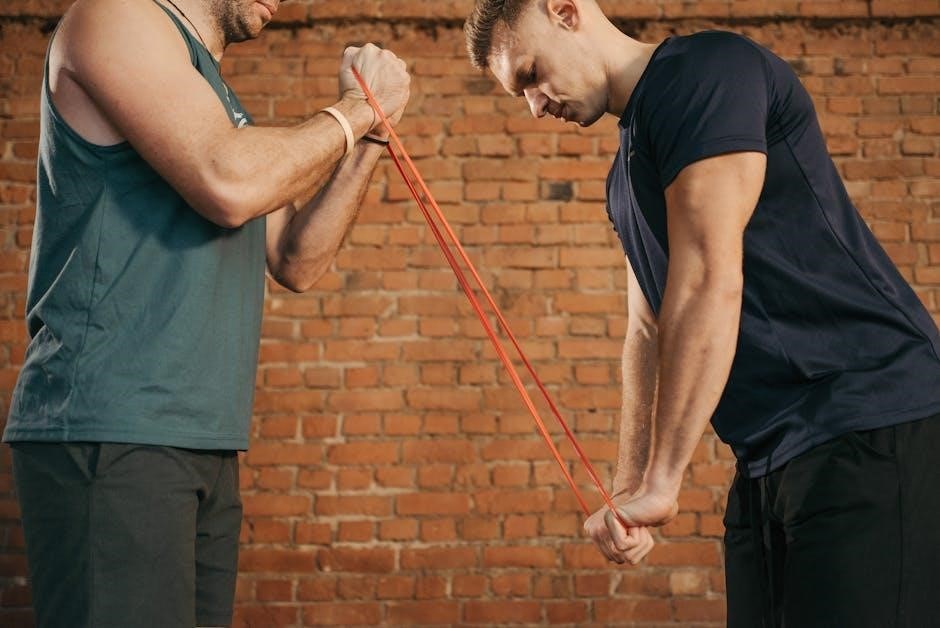
This surplus doesn’t necessitate drastic changes to your diet, but rather mindful additions of nutrient-rich foods. It’s crucial to prioritize whole, unprocessed foods to ensure you’re fueling your body with quality energy. Monitoring your weight and adjusting the surplus accordingly is also important; consistent weight gain indicates sufficient caloric intake, while stagnation may require a slight increase.
Remember, a controlled surplus is key – excessive calorie intake can lead to unwanted fat gain. Combining a strategic calorie surplus with consistent resistance band training will maximize your muscle-building potential.
Protein Intake Recommendations
Protein is the fundamental building block of muscle tissue, making adequate intake crucial when pursuing muscle growth alongside resistance band training. A general recommendation is to consume between 1.5 to 2 grams of protein per kilogram of body weight daily. For example, an 80kg individual should aim for 120 to 160 grams of protein each day.
This protein should be distributed throughout the day, ideally with each meal, to maintain a consistent supply of amino acids for muscle protein synthesis. Prioritize lean protein sources such as chicken, fish, eggs, and dairy. Incorporate plant-based options like beans, lentils, and whole grains to diversify your intake.
Sufficient protein intake, combined with a calorie surplus and consistent exercise, will optimize muscle recovery and growth, maximizing the benefits of your 15-minute resistance band workouts.
Essential Food Sources
To support muscle growth and recovery alongside your resistance band workouts, prioritize nutrient-dense foods; Lean meats like chicken and fish provide high-quality protein with minimal fat. Eggs are a complete protein source, offering essential amino acids. Dairy products, such as milk and yogurt, contribute both protein and calcium for bone health.
Don’t overlook plant-based options! Nuts and seeds offer healthy fats and protein, while beans and lentils are excellent sources of fiber and plant-based protein. Whole grains provide sustained energy for your workouts. A colorful array of greens and fruits delivers vital vitamins, minerals, and antioxidants.
Remember to stay hydrated by drinking plenty of water throughout the day, aiding in nutrient transport and overall bodily function.

Recovery and Tracking
Prioritize active recovery—mild jogging or walks—on rest days for both physical and mental wellbeing. Diligently track your progress in a workout journal.
Active Recovery on Rest Days
Rest days are not synonymous with complete inactivity; instead, embrace active recovery to enhance recuperation and overall wellbeing. Engaging in light physical activity, such as mild jogging or extended walks, promotes blood flow, aiding muscle repair and reducing soreness. This approach also contributes significantly to mental health, alleviating stress and fostering a positive mindset.
Avoid strenuous exercises on designated rest days, focusing instead on low-impact movements. These activities help flush out metabolic waste products accumulated during intense workouts, accelerating the recovery process. Prioritizing active recovery ensures you return to your next training session feeling refreshed, revitalized, and prepared to maximize your efforts. Remember, consistent progress relies not only on challenging workouts but also on adequate and thoughtful recovery strategies.
Tracking Progress: Workout Journal
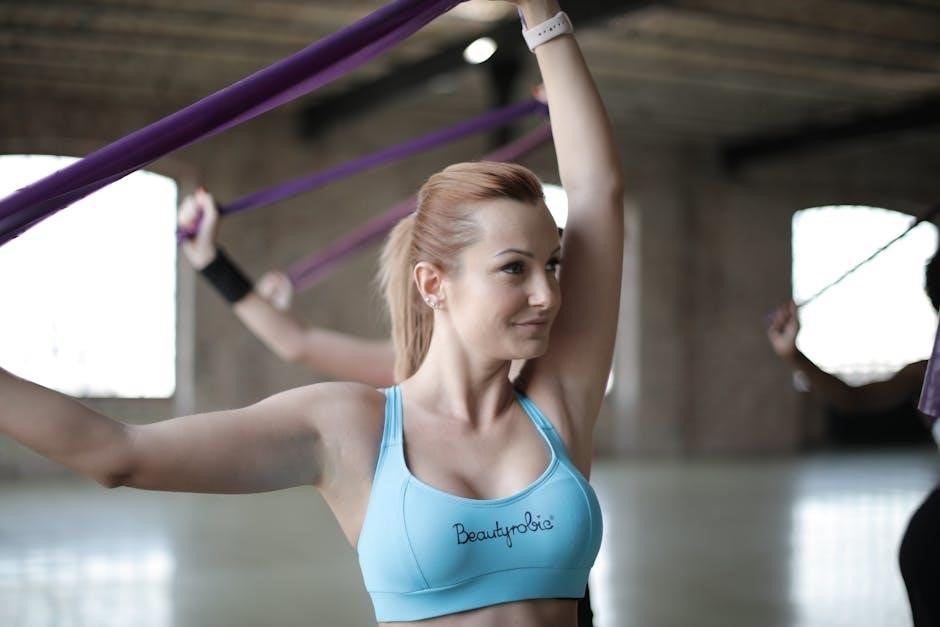
Maintaining a detailed workout journal is paramount for monitoring your fitness journey and ensuring continuous improvement. Diligently record the number of repetitions and sets completed for each exercise during every session. This data provides a tangible measure of your strength gains and endurance development over time.
Furthermore, regularly track your body weight to observe changes in composition. Consistent journaling allows you to identify plateaus, adjust your training regimen accordingly, and stay motivated. Note any modifications made to exercises, band resistance levels, or perceived exertion. This comprehensive record empowers you to make informed decisions, optimize your workouts, and ultimately, achieve your fitness goals. Stay hungry, stay focused, and never underestimate the power of consistent tracking!