
LX Wick Guide: A Comprehensive Overview (Updated 02/11/2026)
Candle making enthusiasts frequently encounter challenges with wick selection, particularly when utilizing LX wicks in various wax types and fragrance loads.
This guide provides detailed insights into LX wick performance, addressing common problems like mushrooming, sooting, and tunneling, alongside advanced techniques for optimal candle creation.
LX wicks have become a popular choice among candle makers, recognized for their consistent burn and versatility across different wax formulations. However, achieving optimal performance requires a thorough understanding of their characteristics and appropriate application. Many candle artisans initially struggle with LX wicks, experiencing issues like incomplete wax melts or excessive mushrooming, often stemming from incorrect sizing or incompatibility with the chosen wax.
These wicks are particularly well-suited for paraffin waxes with moderate fragrance loads, though their use extends to soy and coconut wax blends. The key to success lies in careful testing and adjustment, considering factors like jar diameter, wax type (IGI 6006, IGI 4627), and fragrance concentration. Understanding these nuances is crucial for avoiding common pitfalls and unlocking the full potential of LX wicks in your candle creations. Proper wick trimming and addressing potential clogging are also vital for a clean, even burn.
What are LX Wicks?
LX wicks are a series of braided cotton wicks specifically designed for use in container candles. They feature a tightly woven construction intended to provide a stable and consistent flame, promoting a clean and even burn pool. Unlike some wick types, LX wicks don’t contain any metal core, relying solely on the cotton braiding for rigidity and support.
CandleScience and other suppliers recommend LX wicks for paraffin waxes, but they are also frequently used with soy and coconut wax blends, though careful testing is essential. They are available in a range of sizes – from LX 10 to LX 22 and beyond – to accommodate various jar diameters and wax types. Common issues reported include mushrooming and incomplete wax melting, often indicating an incorrect wick size for the specific candle formulation. Addressing these issues requires understanding the interplay between wax, fragrance load, and wick selection.
LX Wick Characteristics & Composition
LX wicks are primarily composed of tightly braided, 100% natural cotton fibers. This construction is key to their performance, offering a good balance of rigidity for self-trimming and flexibility for consistent burning. The absence of a metal core distinguishes them from many other wick types, making them a popular choice for candle makers seeking a more natural product.
A defining characteristic of LX wicks is their tendency to curl as they burn, which helps to keep the flame centered and promotes a full melt pool. However, this can also contribute to mushrooming if the wick isn’t appropriately sized or if contaminants are present in the wax. Clogging due to dyes, additives, or hard wax particles can also impede the wick’s ability to bend correctly, leading to performance issues. Proper wick trimming is crucial for maintaining optimal burn characteristics.

Understanding Wick Selection
Choosing the correct wick is vital for candle performance; factors like wax type, fragrance load, and jar diameter significantly impact burn quality and safety.
Factors Influencing Wick Choice
Selecting the appropriate wick hinges on several interconnected elements, demanding careful consideration for optimal candle performance; Wax type is paramount; LX wicks excel with paraffin blends but may require adjustments for soy or coconut wax. Fragrance load dramatically alters burn characteristics – higher fragrance concentrations necessitate larger wicks to ensure complete melting.
Jar diameter dictates the necessary melt pool size, directly influencing wick selection. A wider jar demands a larger wick to prevent tunneling. Wax additives, such as dyes or flavors, can clog the wick, potentially requiring a slightly larger size to maintain a consistent flame. Furthermore, the candle’s intended use – whether for ambiance or strong scent throw – impacts the ideal wick choice. Thorough testing is crucial to navigate these variables and achieve a clean, even burn.
Wax Type Compatibility with LX Wicks
LX wicks demonstrate notable compatibility with various waxes, though performance varies. They are generally considered best suited for paraffin waxes, delivering a consistent burn with moderate scent loads. However, utilizing LX wicks with soy wax or coconut apricot blends often requires careful sizing adjustments, potentially needing to increase the wick size to achieve a full melt pool.
IGI 6006, a popular comfort blend, works well with LX wicks, but testing is vital. IGI 4627 also pairs effectively, though some users report needing to experiment to avoid tunneling. Contaminants within the wax, like excessive dye or additives, can clog the wick, hindering performance regardless of wax type. Always prioritize clean wax and thorough testing to optimize the burn and scent throw when using LX wicks across different wax formulations.
Fragrance Load and LX Wick Performance
The fragrance load significantly impacts LX wick performance; higher fragrance concentrations demand increased wicking capacity. LX wicks are generally recommended for moderate scent loads, typically up to 8% fragrance oil. Exceeding this percentage can lead to sooting or a weak flame, as the fragrance interferes with combustion.
Candle makers experiencing issues with a good hot throw but a weak cold throw should consider adjusting the fragrance load or wick size. If a candle with an LX wick exhibits a small flame and incomplete melting, increasing the wick size may be necessary to accommodate the fragrance. Conversely, if mushrooming occurs, reducing the fragrance load or stepping down a wick size could resolve the issue. Careful testing is crucial to find the optimal balance between fragrance intensity and clean burning.

LX Wick Sizing Guide
Determining the correct LX wick size is vital for a clean burn; jar diameter, wax type, and fragrance load all influence optimal selection, ensuring proper wax pooling.
Jar Diameter and Corresponding LX Wick Sizes
Selecting the appropriate LX wick size begins with accurately measuring your jar’s diameter. A 3-inch diameter jar, commonly used for 7oz candles with IGI 6006 wax, often requires an LX 18 wick, though testing is crucial. For larger 3.5-inch jars, consider an LX 22 to achieve a full melt pool.
However, these are merely starting points. Variations in wax density, fragrance oil concentration, and even dye levels can necessitate adjustments. CandleScience’s initial recommendation for an 8oz apothecary jar using IGI 4627 wax was an LX 22, highlighting the need for individual assessment.
Always prioritize testing different wick sizes within a range to identify the one that delivers a consistent, clean burn without excessive mushrooming, sooting, or tunneling. Remember, a properly sized wick ensures optimal fragrance throw and candle longevity.
Wick Sizing for Different Wax Types (IGI 6006, IGI 4627)
LX wicks demonstrate varying performance across different wax formulations. IGI 6006, a softer wax, generally requires a slightly smaller wick size compared to IGI 4627, its Comfort Blend counterpart. When using IGI 6006 with an LX 10 wick and coconut apricot soy wax, careful monitoring is essential to avoid over-wicking.
Conversely, IGI 4627, possessing a higher melt point, often benefits from a larger wick to achieve a complete melt pool. Initial tests with IGI 4627 and an 8oz apothecary jar suggested starting with an LX 22, but adjustments may be needed based on fragrance load.
It’s crucial to remember that these are guidelines. Factors like fragrance oil viscosity and dye concentration influence burn characteristics, necessitating thorough testing to determine the optimal LX wick size for each specific wax and candle combination.
Determining the Optimal LX Wick Size: A Step-by-Step Approach
First, select a preliminary wick size based on jar diameter using a general wick guide. Second, conduct a full burn test, allowing the candle to burn until the wax pool reaches the jar’s edge. Observe for tunneling – if present, increase the wick size incrementally.
Third, assess for sooting or mushrooming. Excessive soot indicates an overly large wick, requiring a reduction in size. Mushrooming, particularly in the lower jar half, suggests a potential issue with wick quality or wax contamination.
Fourth, evaluate hot throw and cold throw. Adjust the wick size to optimize fragrance diffusion. Remember, consistent testing and meticulous observation are key to pinpointing the ideal LX wick size for your unique candle formulation and desired performance characteristics.
Common Problems & Troubleshooting
LX wicks can present challenges like mushrooming, sooting, or tunneling; identifying the root cause—wax contamination, improper sizing, or fragrance load—is crucial for effective resolution.
Mushrooming Wicks: Causes and Solutions
Mushrooming, the formation of a carbon buildup at the wick’s tip, is a common issue with LX wicks, often occurring in the lower portion of the candle. Several factors contribute to this phenomenon. Contaminants within the wax – including hard wax particles, additives, dyes, or fragrances – can clog the wick, hindering proper bending and causing carbon accumulation.
Additionally, an improperly sized wick for the wax type and jar diameter can lead to incomplete combustion, fostering mushrooming. Using a wick that is too large for the wax pool can also exacerbate the problem. To address mushrooming, ensure your wax is thoroughly melted and free of debris before pouring.

Regular wick trimming to ¼ inch is essential. Experimenting with slightly smaller wick sizes can also mitigate the issue. If mushrooming persists, consider a different wick series better suited to your specific wax blend and fragrance load.
Sooting Issues with LX Wicks
Sooting, the release of black carbon particles during burning, is an undesirable outcome when using LX wicks. This often indicates incomplete combustion, stemming from several potential causes. A wick that’s excessively long is a primary culprit; carbon builds up and isn’t fully burned, resulting in soot. Similarly, a wick that is too large for the container diameter and wax type will struggle to draw enough fuel efficiently, leading to sooting.
High fragrance loads can also contribute, as the wick may be overwhelmed by the oil content. Furthermore, drafts can disrupt the flame, causing uneven burning and soot production. To resolve sooting, consistently trim the wick to ¼ inch before each burn.
Ensure the candle is placed away from drafts. If the problem persists, consider reducing the fragrance load or testing a smaller LX wick size to achieve a cleaner burn.
Uneven Wax Pool (Tunneling) with LX Wicks
Tunneling, where the candle burns down the center leaving wax adhered to the jar’s sides, is a common frustration with LX wicks. This typically occurs when the wick is too small for the container’s diameter, failing to melt wax across the entire surface. Initial burns are crucial; allowing a full melt pool to form on the first burn establishes a “memory ring” preventing future tunneling.
Wax type also plays a role; softer waxes melt more readily. Insufficient burn time during initial uses exacerbates the issue. To correct tunneling, consider using a larger LX wick size for the container. You can also carefully use a heat gun to gently melt the remaining wax on the sides, but exercise caution.
Consistent, longer burn times during subsequent uses will help widen the melt pool and resolve the problem.
Wick Clogging: Identifying and Preventing Blockages
Wick clogging significantly impacts candle performance, diminishing flame size and potentially leading to extinguishing. This occurs when foreign materials obstruct the wick’s capillary action, hindering wax flow. Common culprits include hard wax particles, undissolved dyes, fragrance oils with heavier components, or even dust introduced during the candle-making process.
Identifying a clogged wick is often visible – a diminished or flickering flame, excessive soot, or a noticeable buildup on the wick itself. Prevention is key; ensure thorough mixing of fragrance oils and dyes, and filter melted wax to remove any particulate matter.
Using high-quality ingredients minimizes clogging risks. If clogging occurs, carefully extinguish the candle and remove the debris with tweezers, being cautious not to damage the wick.

Advanced LX Wick Techniques
Optimizing candle performance with LX wicks involves precise trimming, thorough testing, and careful adjustments to address hot and cold throw imbalances for superior results.
Wick Trimming Best Practices
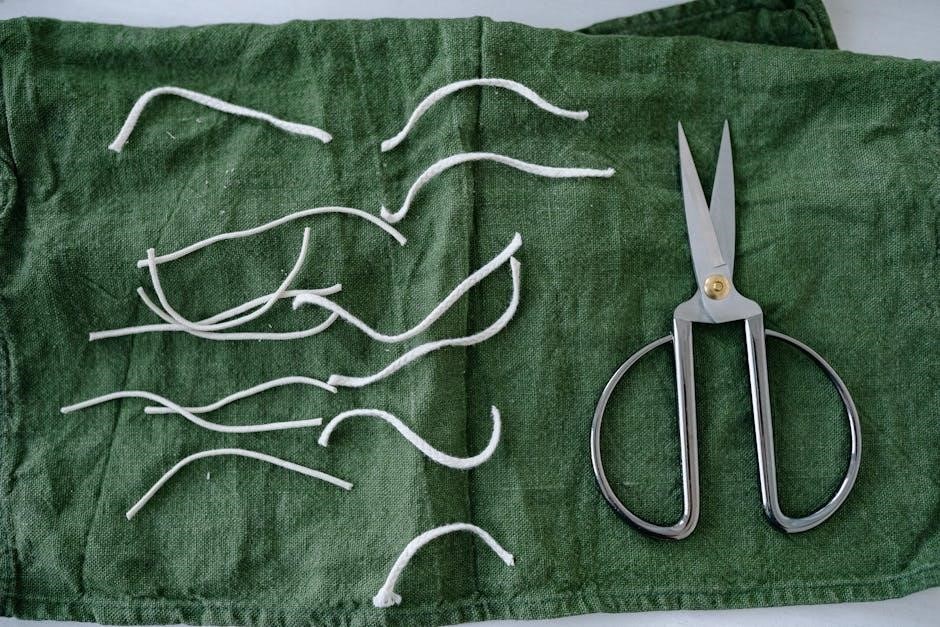
Consistent wick trimming is paramount for optimal LX wick performance and candle safety. Before each burn, always trim the wick to approximately ¼ inch. This prevents excessive smoking, sooting, and mushrooming, ensuring a clean and even burn. A properly trimmed wick promotes a full melt pool, maximizing fragrance throw and extending the candle’s lifespan.
Regular trimming also minimizes carbon buildup, which can clog the wick and hinder its ability to draw wax effectively. Use a dedicated wick trimmer for a clean cut, avoiding debris falling into the wax. If mushrooming occurs despite trimming, consider reducing the wick size or adjusting the fragrance load. Remember, a well-maintained wick is crucial for a delightful candle experience and safe burning practices with LX wicks.
Testing and Adjusting LX Wick Performance
Thorough testing is essential when working with LX wicks to achieve optimal candle performance. After pouring, allow the candle to cure fully before conducting burn tests; Observe the melt pool diameter, flame height, and soot production during the first few hours of burning. A full, even melt pool reaching the jar’s edges indicates a correctly sized wick.
If tunneling occurs, indicating the wick is too small, incrementally increase the wick size for subsequent tests. Conversely, if sooting or excessive mushrooming is observed, reduce the wick size. Document each test, noting the wax type, fragrance load, jar diameter, and wick size. This data will help refine your wick selection process and ensure consistent, high-quality candles using LX wicks. Adjustments may be needed based on specific wax and fragrance combinations.
Dealing with Hot Throw and Cold Throw Issues
Optimizing fragrance release, both when burning (hot throw) and unlit (cold throw), is crucial for candle satisfaction. If experiencing weak hot throw with LX wicks, ensure your fragrance load is within the wax manufacturer’s recommended range – typically 6-10%. A wick that’s too small may not vaporize enough fragrance oil. Conversely, a wick that’s too large can burn off the fragrance before it’s fully released.
For poor cold throw, consider increasing the fragrance load slightly, but always test for compatibility. Ensure thorough fragrance mixing during the wax cooling process. Sometimes, certain fragrance oils simply have weaker cold throw characteristics. Experimenting with different LX wick sizes and fragrance oils can help balance both hot and cold throw, achieving a well-rounded aromatic experience.
Specific LX Wick Series
LX wick series, including LX 10, LX 16, LX 18, and LX 22, offer varied performance based on jar diameter, wax type, and desired flame characteristics.
LX 10 Wick: Applications and Considerations
The LX 10 wick is frequently utilized with coconut apricot soy wax blends, demonstrating suitability for smaller diameter jars. However, candle makers have reported potential problems even with this smaller wick size, experiencing incomplete wax pools and requiring careful adjustments. It’s crucial to remember that even with a seemingly appropriate wick, factors like fragrance load significantly impact performance.

When employing the LX 10, meticulous testing is paramount. Begin with smaller fragrance percentages and closely monitor the burn pool. If tunneling occurs – where the wax doesn’t melt to the jar’s edges – consider increasing the wick size or slightly adjusting the fragrance concentration. Conversely, if the flame is too large or produces excessive soot, a smaller wick or reduced fragrance load may be necessary. Remember, consistent observation during burn tests is key to achieving optimal results with the LX 10 wick.
LX 16 Wick: Performance Analysis
The LX 16 wick often presents a balance between flame size and wax pool development, making it a popular choice for medium-sized candles. However, reports indicate that even with the LX 16, achieving a full melt pool can be challenging, particularly with certain wax formulations like IGI 6006. Candle makers have noted good hot throw performance initially, but inconsistencies can arise during extended burn times.
Analysis reveals that the LX 16’s performance is heavily influenced by jar diameter and fragrance load. A 3-inch diameter jar with an 8oz candle may require adjustments, potentially needing a larger wick to ensure complete melting. Furthermore, fragrance oils can impact wick performance; heavier fragrance loads may necessitate a wick upsize. Careful observation for sooting and mushrooming is vital, as these indicate potential imbalances in the wick-wax-fragrance relationship.
LX 18 Wick: Ideal Jar Sizes
The LX 18 wick generally performs best in jars ranging from 3 to 3.5 inches in diameter, particularly when paired with IGI 6006 wax. Candle makers utilizing 7oz to 9oz containers often find this size provides a balanced burn, promoting a full melt pool without excessive sooting or mushrooming. However, optimal performance is contingent on fragrance load and wax type.
For smaller jars, the LX 18 may produce a flame that is too large, leading to carbon buildup. Conversely, in wider jars exceeding 3.5 inches, it might struggle to adequately melt the wax, resulting in tunneling. Initial testing suggests that an 8oz candle in a 3-inch apothecary jar benefits from the LX 18, delivering a strong hot throw. Consistent monitoring and adjustments are crucial for achieving optimal results across different container sizes and wax blends.
LX 22 Wick: When to Use This Size
The LX 22 wick is typically recommended as a starting point for larger jars, specifically those exceeding 3.5 inches in diameter, when working with IGI 4627 Comfort Blend wax. CandleScience’s initial guidance suggests this size for 8oz apothecary jars, though individual results may vary. It’s best suited for moderate scent loads within paraffin-based candles, offering a robust flame capable of establishing a complete melt pool.
However, users have reported issues with the LX 22, even experiencing a good hot throw initially, but then encountering problems. If you observe incomplete wax melting or a weak scent throw, consider stepping up to a larger wick size. Conversely, if excessive smoking or mushrooming occurs, a smaller wick might be more appropriate. Careful testing and observation are vital to determine the ideal wick for your specific formulation and container.
Comparing LX Wicks to Other Wick Types
LX wicks excel with paraffin and moderate fragrance, while V wicks handle heavier loads better. CDN wicks offer another alternative, requiring careful consideration for optimal candle performance.
LX vs. V Wicks: A Detailed Comparison
LX wicks and V wicks represent popular choices for candle making, yet cater to distinct needs. LX wicks generally perform best in paraffin-based candles with moderate fragrance loads, offering a cleaner burn in these scenarios. However, when dealing with heavier fragrance concentrations, particularly in soy or coconut wax blends, V wicks often prove superior.
V wicks are specifically engineered to accommodate substantial fragrance oils without compromising burn quality. They exhibit a wider mushroom, indicating a robust fuel draw necessary for heavily scented candles. Conversely, attempting to use a V wick in a lightly fragranced paraffin candle might result in excessive smoking or an overly large flame.
Consider the wax type and fragrance load as primary determinants when selecting between these two wick series. If encountering issues like tunneling or weak hot throw with LX wicks, switching to a V wick could resolve the problem, especially with higher fragrance percentages.
LX vs. CDN Wicks: Which is Right for Your Candle?
Choosing between LX wicks and CDN wicks hinges on achieving a balanced burn and optimal fragrance throw. LX wicks are frequently favored for paraffin waxes and moderate fragrance loads, providing a consistent flame and relatively clean burn. However, they can struggle with heavier fragrance concentrations or softer wax blends.
CDN wicks, conversely, are designed to handle higher fragrance loads and a broader range of wax types, including soy and coconut blends. They often exhibit a more robust flame and a wider melt pool, ensuring complete wax consumption and maximizing scent diffusion. A key difference lies in their core construction, influencing their fuel-drawing capabilities.
If experiencing tunneling or a weak scent throw with LX wicks, particularly in soy wax, transitioning to a CDN wick might be beneficial. Conversely, if a CDN wick produces excessive smoking, consider down-wicking to an LX wick for a more controlled burn.