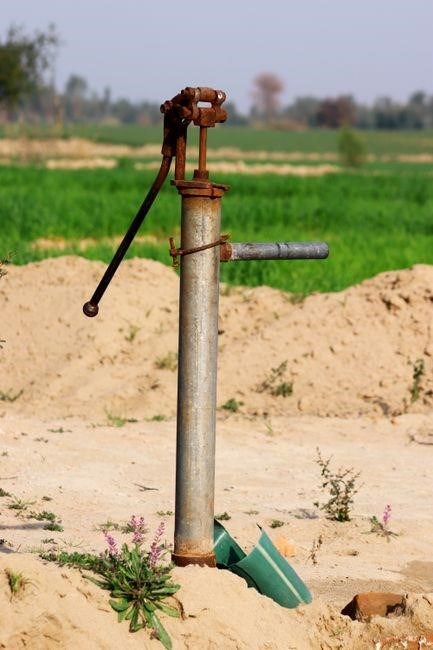
Manual vacuum pumps provide portable, hand‑operated pressure control for labs, automotive, and food packaging․ They feature durable diaphragms, quick‑release valves, and protected gauges, enabling precise vacuum creation without electricity․ Ideal for labs, DIY quick prototyping, maintenance now
Definition and Basic Principles
The quality of the seal—often a flexible diaphragm or a rubber gasket—determines the achievable vacuum and the pump’s durability․ Users can adjust the stroke length or use multiple pumps in series to reach deeper vacuums․ Maintenance is minimal: inspect seals, clean the chamber, and replace worn diaphragms when pressure drops․ Because the pump is manually driven, it can be used in remote or off‑grid locations where electricity is unavailable, making it indispensable for field laboratories, emergency repair, and hobbyist projects․!
Historical Development
From early hand‑operated crank pumps in the 19th century to modern ergonomic designs, manual vacuum pumps evolved to meet industrial, laboratory, and automotive needs․ Innovations in diaphragm materials and quick‑release valves have improved reliability and safety․
Evolution from Early Hand Pumps to Modern Designs

Manual vacuum pumps began as simple crank‑operated devices in the early 1800s, primarily used in scientific laboratories to evacuate gases from glassware․ These early pumps relied on a piston moving within a cylinder, creating a vacuum by reducing the internal volume․ The design was bulky, required significant manual effort, and suffered from leakage due to imperfect seals․ As industrial processes grew, the need for more reliable and efficient vacuum creation led to the introduction of diaphragm‑based pumps in the late 19th and early 20th centuries․ Diaphragms made of leather or rubber provided a flexible seal that could be easily replaced, reducing maintenance and improving vacuum quality․ The addition of quick‑release valves allowed operators to disconnect the pump from the system without compromising the vacuum, enhancing safety and convenience․ Throughout the mid‑20th century, materials science advancements introduced synthetic diaphragms such as EPDM and silicone, offering superior chemical resistance and longer service life․ Concurrently, ergonomic improvements—lighter housings, better grip designs, and integrated gauges—made manual pumps more user‑friendly for automotive and food‑packaging applications․ In the 1990s, the development of compact rotary vane and scroll variants incorporated the principles of diaphragm pumps while offering higher flow rates and lower noise․ Modern manual vacuum pumps now feature modular fittings, digital pressure displays, and advanced sealing technologies that allow them to serve a wide range of industries, from laboratory filtration to brake bleeding and beyond․ The evolution reflects a continuous push toward greater efficiency, safety, and versatility, ensuring that manual vacuum pumps remain indispensable tools in both professional and hobbyist settings․ Today, manufacturers also integrate smart sensors that log vacuum cycles, enabling predictive maintenance and compliance with regulatory standards․ The combination of mechanical simplicity and digital augmentation exemplifies how manual vacuum pumps have adapted to modern demands while retaining their core hand‑operated nature․ Additionally, the use of lightweight composite housings reduces operator fatigue during prolonged use, and the incorporation of ergonomic handles with anti‑slip coatings improves grip during high‑pressure operations․ Some models now offer interchangeable diaphragms tailored to specific gases, allowing users to maintain optimal performance across diverse applications․ The historical trajectory from crude crank mechanisms to sophisticated, sensor‑enabled devices illustrates the ingenuity of engineers who continually refine manual vacuum technology to meet evolving industrial and scientific challenges; Moreover, the standardization of NPT fittings and quick‑release valves has streamlined maintenance, making it easier for technicians to swap components without specialized tools․ Finally, the global market for manual vacuum pumps reflects a balance between cost‑effective, rugged designs for field use and premium models equipped with advanced diagnostics for laboratory precision․

Common Types of Manual Vacuum Pumps
Rotary‑vane pumps trap gas with a rotating blade, delivering high flow rates․ Diaphragm pumps use a flexible membrane for clean, oil‑free vacuums․ Scroll pumps employ interleaved spiral plates, offering quiet, efficient operation for precise tasks now
Rotary Vane, Diaphragm, and Scroll Variants
Rotary‑vane pumps rely on a rotating blade set within a stator, creating a series of expanding and contracting chambers that trap and expel gas․ Their robust design allows high flow rates, typically 10–50 L/min, and they are favored in laboratory filtration and chemical processing where a continuous, oil‑free vacuum is required․ The blade’s material—often stainless steel or reinforced polymer—must withstand repeated wear, and the housing is usually forged aluminum to maintain structural integrity under pressure differentials․
Diaphragm pumps use a flexible membrane that flexes back and forth, drawing in gas through an inlet valve and pushing it out through an outlet valve․ This design eliminates oil contamination, making it ideal for food packaging, pharmaceutical, and automotive brake bleeding applications․ Common diaphragm materials include EPDM, silicone, and nitrile rubber, each chosen for chemical resistance and durability․ The pump’s flow rate is typically lower, around 2–10 L/min, but the sealed chamber ensures a clean, precise vacuum․
Scroll pumps use two interleaved spiral plates that rotate against each other, trapping gas in the expanding gap and compressing it toward the outlet․ The design offers quiet, vibration‑free operation and high efficiency, especially at low to medium vacuum levels․ They are common in industrial drying, vacuum packaging, and laboratory sample preparation, with stainless steel or titanium scrolls and heat‑sinking housings․ Ideal for precision work․!!

Key Components and Construction Materials
Diaphragm: EPDM or silicone; seals: Viton O‑rings; housing: aluminum or stainless steel; gauge: protected mercury or digital; quick‑release valve: brass; fittings: 1/8 NPT; all parts engineered for chemical resistance, low leakage, and durability․ All parts are torque‑tightened for leak operation․
Diaphragm Materials, Seals, and Gauges
Diaphragm pumps rely on a flexible membrane that alternates between suction and discharge cycles․ The most common diaphragm materials are EPDM rubber, silicone, and polyurethane, chosen for their chemical resistance, low permeability, and durability under repeated compression․ The diaphragm is bonded to a rigid support frame—often aluminum or stainless steel—to maintain shape and provide a mounting surface for the seals․ Its durability supports thousands of cycles in rigorous labs daily․
Seals are critical for maintaining vacuum integrity․ O‑rings made from Viton or NBR are common, as they resist oil, fuel, and many chemicals while maintaining elasticity․ In high‑temperature, PTFE or PFA seals are preferred for their low friction and excellent thermal stability․ The seal design typically includes a double‑O‑ring configuration to provide redundancy and prevent leaks․ Proper torque specifications on the seal housing ensure a tight seal without damaging the diaphragm daily․
Gauges provide the user’s view of vacuum pressure․ Protected gauges—mercury or digital—are mounted on the pump body to prevent accidental contact․ Mercury gauges offer high accuracy, while digital gauges give readouts, data logging, and programmable alarms․ The gauge assembly is sealed with a protective glass or polymer cover to shield it from dust, moisture, and shock․ Accurate calibration is essential for process control, and many pumps include a calibration certificate․
Operation and Performance Metrics
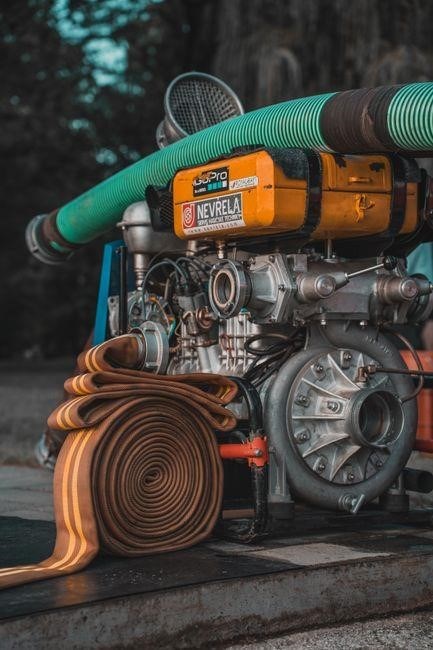
Manual pumps deliver 030 inHg vacuum, 0․5–2 L/min flow, pressure control via a quickreleasevalve․ Users monitor gauge readings, adjust strokes, maintain vacuum for filtration, degassing,sealing․ Performance hinges on diaphragm integrity and seal tightness․
Vacuum Range, Flow Rate, and Pressure Control
Manual vacuum pumps typically deliver a vacuum depth of 0–30 inHg (0–1 bar), making them suitable for laboratory filtration, degassing, and sealing tasks․ Flow rates usually fall between 0․5 and 2 L/min, governed by stroke length, diaphragm material, and pump geometry․ Pressure control is achieved through a protected gauge, a quick‑release valve, and the operator’s stroke cadence․ By adjusting the number of strokes per minute, users can fine‑tune the vacuum level, allowing precise control for sensitive processes such as vacuum drying or pressure‑sensitive chemical reactions․ The gauge’s protected design prevents accidental over‑pressure, while the quick‑release valve offers rapid venting for safety or to reset the system․ Performance metrics, including vacuum depth, flow rate, and pressure stability, are critical for ensuring consistent results across experiments or industrial tasks․ Regular calibration against a reference gauge ensures accuracy, and monitoring the diaphragm’s wear helps maintain optimal flow․ In practice, a skilled operator can maintain a steady 20 inHg vacuum for extended periods, providing reliable pressure for continuous filtration or packaging operations․ The combination of a robust diaphragm, a sealed chamber, and user‑controlled strokes makes manual pumps a versatile, cost‑effective solution for many pressure‑dependent workflows․
Operators should also monitor the gauge for drift, replace diaphragms every 12 months, and perform routine cleaning to avoid contamination․ Training on stroke technique improves efficiency and prolongs pump life․
For high‑precision tasks, users may integrate a secondary pressure sensor to cross‑check readings, ensuring the manual pump’s output stays and remains within ±5 inHg of the target daily!
Typical Applications Across Industries
Manual vacuum pumps excel in filtration, brake bleeding, food packaging, and industrial degassing․ Their portability and no‑power requirement make them versatile;
Ideal for quicklow‑power tasks, these pumps offer reliable performance without electricity;
Laboratory, Automotive, Food Packaging, and Industrial Use
Manual vacuum pumps are indispensable tools across multiple sectors, offering a lightweight, power‑free solution for creating and maintaining vacuum environments․ In laboratory settings, they enable precise degassing of solvents, vacuum filtration, and the preparation of sealed reaction vessels․ Their compact design allows researchers to perform experiments on the bench without the need for bulky, electrically powered equipment․ The pumps’ quick‑release valves and protected gauges provide accurate pressure readings, essential for reproducible scientific work․
Automotive technicians rely on manual pumps for brake bleeding, oil extraction, and fluid replacement․ The ability to generate a consistent vacuum on the fly eliminates the need for electric vacuum pumps, saving time and reducing equipment costs․ Quick‑fit adapters and durable diaphragms ensure the pumps can handle the demanding conditions of automotive service bays․
In the food packaging industry, manual vacuum pumps are used to remove air from bags and containers, extending shelf life and preserving product quality․ Their portability makes them ideal for on‑site packaging operations, and the sealed gauge protects operators from accidental over‑vacuuming․ The pumps can also be coupled with heat‑sealing equipment to create airtight seals on a variety of food products․
Industrial applications include degassing of polymers, vacuum drying of components, and the removal of gases from process streams․ The pumps’ robust construction and low maintenance requirements make them suitable for continuous use in manufacturing lines․ Their versatility allows integration with custom adapters to accommodate different pipe sizes and pressure ranges, ensuring compatibility with existing plant infrastructure․
Moreover, safety features such as pressure relief valves and ergonomic handles reduce operator fatigue during prolonged use․ The pumps’ lightweight design also facilitates field deployment, allowing technicians to perform vacuum tasks in remote locations without access to mains electricity․ Overall, the manual vacuum pump’s adaptability, ease of use, and cost‑effectiveness make it a staple across laboratory, automotive, food packaging, and industrial sectors․ Its continued evolution promises even greater efficiency and user comfort in the coming years․

Safety Features and Best Practices
Safety features include pressure‑relief valves, protected gauges, and quick‑release fittings to prevent over‑vacuuming․ Best practices: check seals before use, avoid sudden pressure changes, keep the pump dry, and store in a clean, dry area․ Follow manufacturer guidelines․
Gauge Protection, Quick-Release Valves, and Hazard Mitigation
Gauge protection is essential for manual vacuum pumps to safeguard operators and equipment․ Most modern hand pumps feature a rubber‑protected or epoxy‑coated gauge that prevents accidental puncture or damage from pressure spikes․ The gauge housing is often reinforced with a metal sleeve, and a clear protective cover allows visual readout while shielding the needle and dial from impact․ Quick‑release valves provide an immediate means to vent excess vacuum or to disconnect the pump from a sealed system without exposing the operator to sudden pressure changes․ These valves are typically spring‑loaded and feature a dual‑stage release: a low‑pressure release for routine venting and a pressure release for emergency situations․ Proper installation of the quick‑release fitting—ensuring a tight seal and correct orientation—reduces the risk of leaks that could lead to hazardous pressure differentials․ Hazard mitigation also involves regular inspection of seals, diaphragms, and gauge housing for wear, cracks, or corrosion․ Replacing worn diaphragms with EPDM or silicone materials maintains vacuum integrity, while cleaning the gauge area prevents debris from causing needle misalignment․ Additionally, using a pressure‑relief valve rated for the pump’s maximum operating pressure adds a fail‑safe layer against over‑pressurization․ Operators should also wear appropriate personal protective equipment, such as gloves and safety glasses, when handling the pump or performing maintenance․ Finally, storing the pump in a dry, temperature‑controlled environment protects the diaphragm and seals from degradation, ensuring long‑term reliability and safety․
Training and documentation are critical․ Users should read the manufacturer’s manual before operating the pump, paying special attention to the gauge protection instructions and the quick‑release valve operation․ A standard operating procedure (SOP) should include steps for checking gauge integrity, verifying the quick‑release valve’s function, and performing a leak test with a soap‑water solution․ Documenting each maintenance event—seal replacement, gauge calibration, and valve inspection—provides traceability and helps identify patterns that could indicate impending failure․ In emergency scenarios, the quick‑release valve can be engaged manually by pulling the lever or pressing the button, which immediately equalizes the system pressure and prevents the pump from being damaged by over‑vacuum․ By combining robust gauge protection, reliable quick‑release mechanisms, and systematic hazard mitigation practices, operators can maintain safe, efficient, and long‑lasting performance of manual vacuum pumps․ Routine audits reinforce now

Maintenance, Troubleshooting, and Longevity
Routine cleaning of the diaphragm and seals, periodic gauge calibration, and inspection of the quick‑release valve prevent leaks and extend life․ Replace worn diaphragms with EPDM, tighten fittings, and document each service to ensure reliability!!
Cleaning, Seal Replacement, and Common Failure Modes
Regular cleaning of the diaphragm chamber with a soft brush and mild solvent removes debris that can cause uneven pressure․ After each use, rinse the chamber, wipe the valve seat, and replace any worn EPDM or silicone seals every 12 months or when leaks appear․ Inspect the quick‑release valve for burrs and ensure the gasket remains intact․ Common failure modes include diaphragm rupture from over‑pressure, seal erosion due to chemical exposure, and valve misalignment leading to vacuum loss․ Prompt seal replacement and proper storage—sealed in a dry environment—can extend pump life․ Document all maintenance steps in a log to track performance trends and pre‑empt failures․
Routine inspection of the diaphragm for cracks, dents, or warping is essential․ Use a magnifying glass to spot micro‑fractures that can lead to sudden failure․ When a crack is detected, replace the diaphragm immediately; do not attempt to patch or force the pump back into operation․ This proactive approach prevents costly downtime․
When replacing seals, always match the manufacturer’s specified hardness and thickness to maintain optimal compression․ Inspect the valve seat for wear; a worn seat can cause leakage even with a new seal․ After installation, perform a leak test by gently pumping and observing the gauge for any pressure drop․ Document the results for future reference․
Always store pumps in a dry, temperature‑controlled environment to avoid in corrosion seal wear