Mary Oliver’s “Wild Geese”: A Comprehensive Exploration
Delving into Oliver’s celebrated poem, this exploration navigates accessing the “Wild Geese” text, considering PDF formats and online resources for readers seeking its profound verses․
Mary Oliver (1935-2019) stands as one of America’s most beloved and critically acclaimed poets, renowned for her accessible yet profoundly insightful explorations of the natural world․ Her work frequently centers on themes of observation, spirituality, and the interconnectedness of all living things․ Oliver’s poetic voice is characterized by its clarity, simplicity, and a deep reverence for the beauty and wildness found in everyday existence․
Unlike many poets who engage with complex philosophical or political themes, Oliver often found her inspiration directly in nature – observing birds, flowers, and landscapes․ This direct engagement allowed her to craft poems that resonate with readers on a deeply emotional level, offering moments of quiet contemplation and profound connection․ Her ability to articulate universal human experiences through the lens of the natural world is a key element of her enduring appeal․
Though many poems are cherished, “Wild Geese” exemplifies her style, offering solace and acceptance․ Finding a “Wild Geese” PDF allows deeper study of this impactful work․
The Context of “Wild Geese” within Oliver’s Work
“Wild Geese,” published in her 1986 collection Dream Work, represents a pivotal moment in Mary Oliver’s poetic development․ While her earlier work often focused on detailed natural observation, this poem marks a shift towards a more explicitly philosophical and emotionally resonant exploration of self-acceptance and belonging․ It embodies her core themes – the restorative power of nature and the invitation to find one’s place within the larger world․
Within the broader scope of Oliver’s oeuvre, “Wild Geese” stands out for its direct address to the reader, offering a compassionate and encouraging message․ It’s a poem that doesn’t shy away from acknowledging human suffering but insists on the inherent worthiness of each individual․ Accessing a “Wild Geese” PDF provides a focused study of its unique place within her body of work․
The poem’s accessibility and universal message contributed to its widespread popularity, solidifying Oliver’s reputation as a poet who speaks directly to the human heart․
Analyzing the Poem “Wild Geese”
A close reading reveals Oliver’s masterful use of imagery and free verse, best explored through a readily available “Wild Geese” PDF for detailed study․
Overview of the Poem’s Structure and Form
“Wild Geese” unfolds as a single stanza poem, a characteristic often found in Mary Oliver’s work, creating a sense of continuous thought and breath․ This deliberate choice mirrors the natural flow of observation and reflection central to the poem’s themes․ The poem largely eschews a strict rhyme scheme or meter, embracing free verse, which allows Oliver to prioritize natural speech rhythms and emphasize the emotional weight of her words․
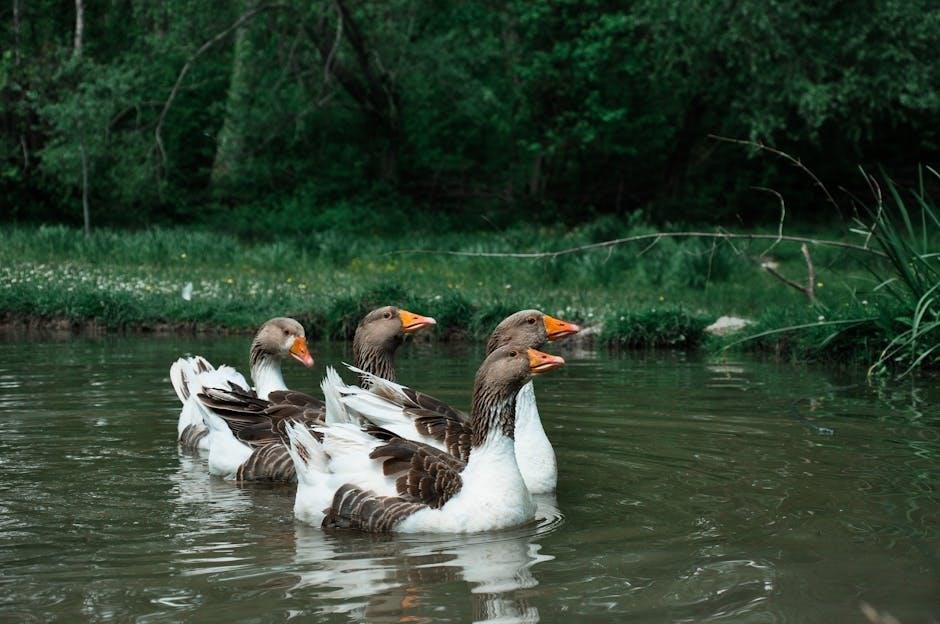
Accessing a “Wild Geese” PDF facilitates a focused examination of this structure․ The visual layout on the page, when viewed in a PDF format, highlights the poem’s deliberate line breaks and enjambment – the continuation of a sentence or phrase from one line to the next – contributing to its pacing and meaning․ These structural elements work in harmony to create a meditative quality, inviting readers to pause and contemplate the poem’s message of acceptance and belonging․ The lack of rigid form underscores the poem’s central idea: that you do not need to conform to be worthy of the world’s embrace․
Themes of Belonging and Acceptance
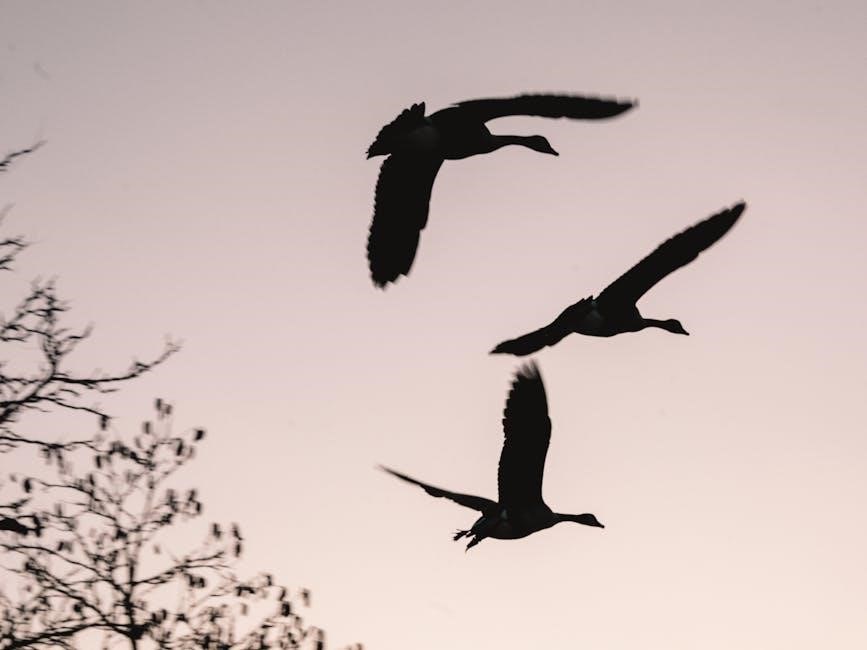
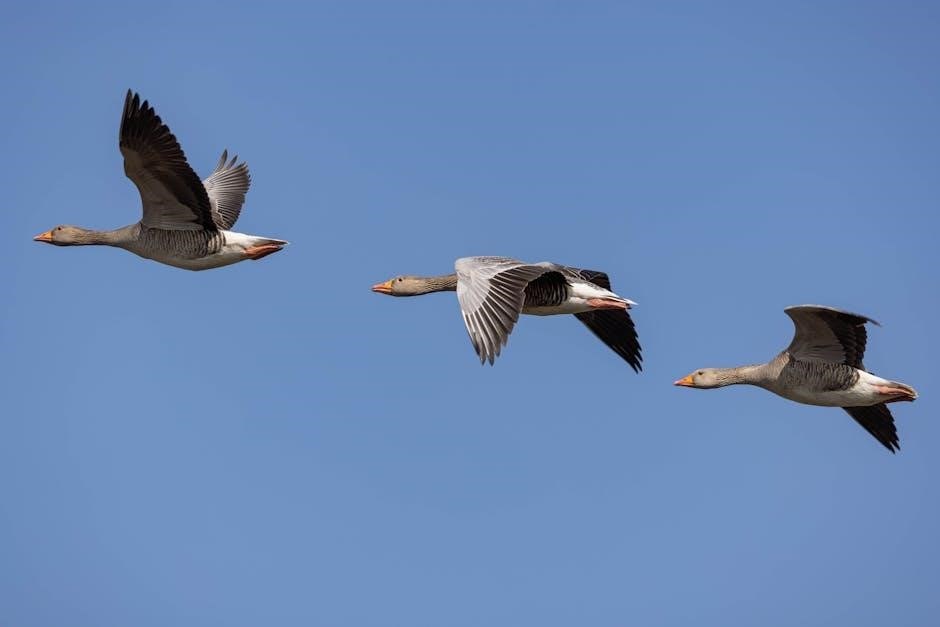
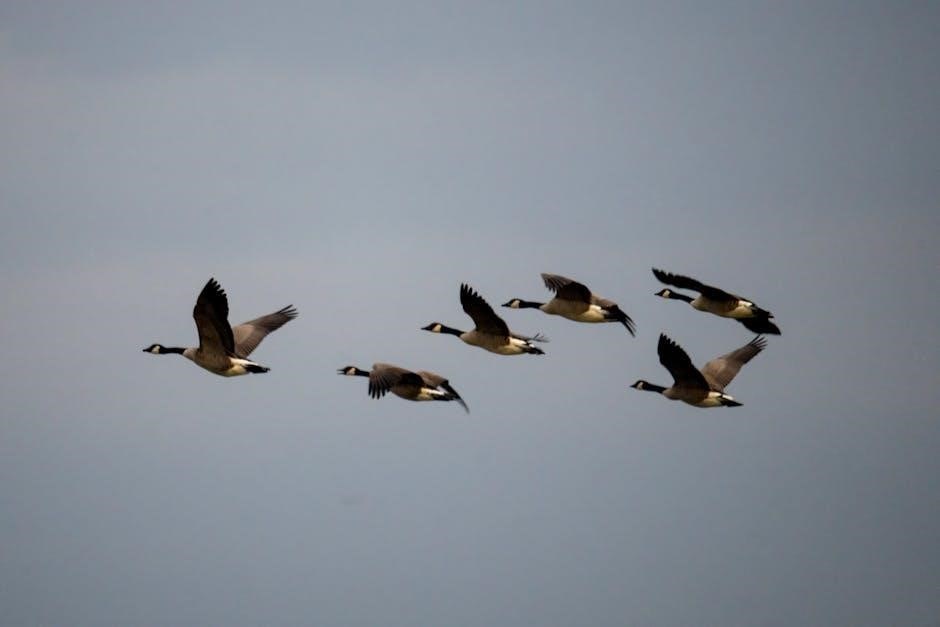
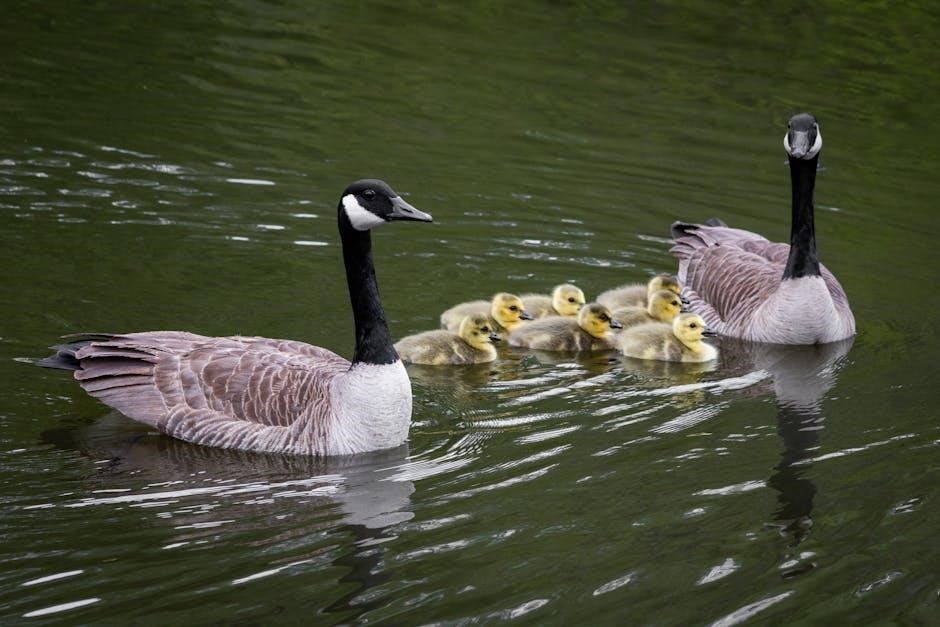
At its core, “Wild Geese” powerfully explores the universal human yearning for belonging and the radical act of self-acceptance․ Oliver counters feelings of isolation by asserting that everyone has a place in the world, regardless of perceived flaws or struggles․ The poem’s central image – wild geese readily accepting anyone who comes to them – serves as a potent metaphor for unconditional acceptance․
A PDF version of “Wild Geese” allows for close reading, emphasizing how Oliver’s language dismantles the notion that one must earn belonging․ The poem suggests that the world itself welcomes us, offering solace and a sense of home․ Studying the poem via a PDF can reveal subtle nuances in Oliver’s phrasing that reinforce this message․ The poem’s accessibility, often found in readily available PDF formats, makes its message of self-compassion widely available, resonating deeply with readers grappling with feelings of loneliness or inadequacy․
The Significance of the Wild Geese as a Symbol
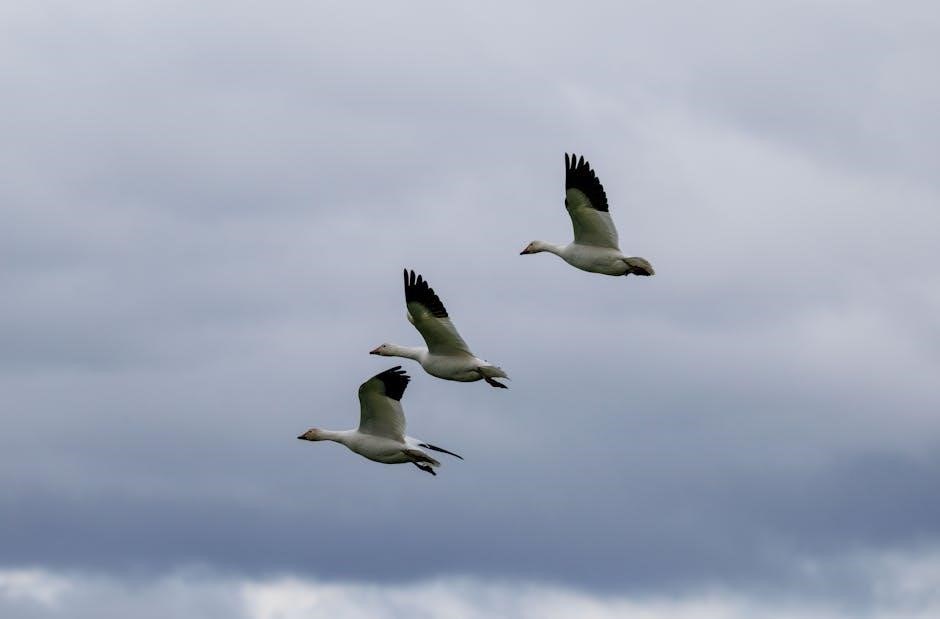
The wild geese in Mary Oliver’s poem transcend mere avian representation, functioning as a powerful symbol of freedom, natural order, and, crucially, unconditional acceptance․ Their effortless flight and communal nature embody a life lived in harmony with the world, unburdened by human anxieties and self-judgment․ Accessing a PDF version of “Wild Geese” allows for focused analysis of how Oliver repeatedly links the geese to a sense of belonging, offering a counterpoint to human feelings of isolation․
The geese’s willingness to accept “anyone who comes” highlights a fundamental truth about the natural world – it doesn’t discriminate․ A readily available PDF facilitates repeated readings, revealing the depth of this symbolism․ The image, easily studied within a PDF document, encourages readers to embrace their own wildness and find solace in the inherent beauty and acceptance present in nature, mirroring the geese’s graceful existence․
“Wild Geese” and its Impact on Readers
Exploring the poem’s resonance, a “Wild Geese” PDF enables close study of its comforting verses, fostering personal connection and inspiring emotional reflection․
The Poem’s Reception and Critical Analysis
“Wild Geese” has garnered widespread acclaim since its publication, becoming a staple in contemporary poetry anthologies and a frequently studied work in academic settings․ Critical analysis often centers on Oliver’s accessible yet profound exploration of themes like belonging, self-acceptance, and the restorative power of nature․ The poem’s simplicity, coupled with its emotional depth, contributes to its enduring appeal․
Accessing a “Wild Geese” PDF facilitates deeper engagement with scholarly interpretations․ Many literary journals and online platforms offer critical essays dissecting the poem’s symbolism, particularly the significance of the wild geese themselves as emblems of freedom and untamed spirit․ Discussions frequently highlight Oliver’s skillful use of imagery and her ability to connect personal experience to universal truths․ The poem’s relatively short length also makes it ideal for close reading exercises, allowing students and enthusiasts alike to fully appreciate its nuanced layers of meaning․ Furthermore, the availability of the poem in PDF format encourages wider dissemination and continued scholarly debate․
Personal Interpretations and Emotional Resonance
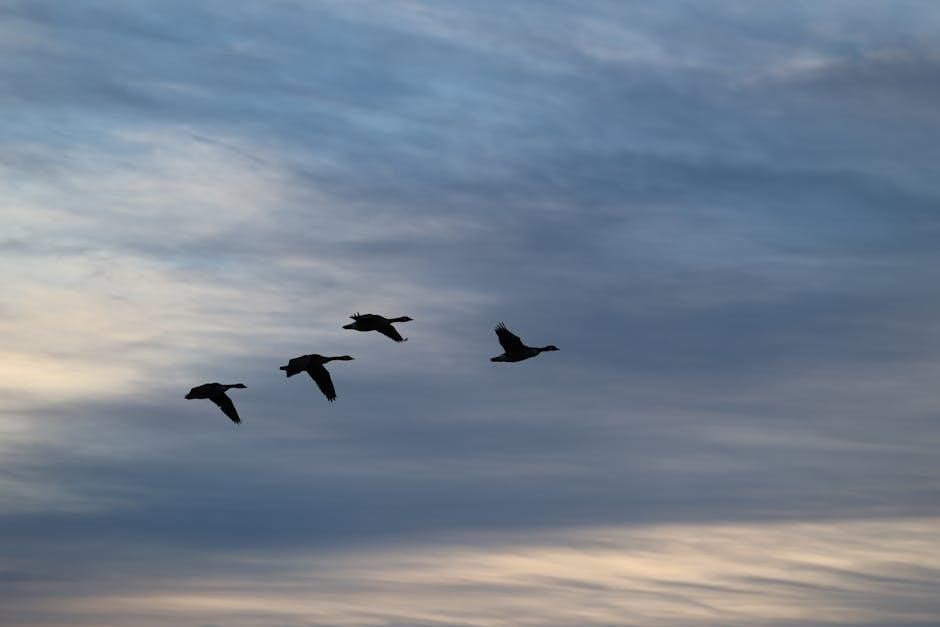
“Wild Geese” profoundly resonates with readers grappling with feelings of isolation or inadequacy, offering a gentle invitation to self-acceptance․ The poem’s message – that one deserves a place in the world regardless of perceived flaws – strikes a deeply emotional chord․ Many find solace in Oliver’s depiction of nature as a welcoming and non-judgmental space, a sanctuary where one can simply be․
Having a “Wild Geese” PDF readily available allows for repeated readings, fostering a more intimate connection with the text․ Individuals often return to the poem during times of personal struggle, finding renewed strength in its comforting words․ The poem’s open-ended nature encourages diverse interpretations, shaped by individual experiences and perspectives․ Sharing a PDF copy with others can also spark meaningful conversations about vulnerability, self-worth, and the search for belonging․ Ultimately, the poem’s emotional power lies in its ability to validate universal human experiences and offer a beacon of hope․
“Wild Geese” as a Source of Comfort and Inspiration
Mary Oliver’s “Wild Geese” consistently serves as a wellspring of comfort, particularly for those navigating periods of self-doubt or loneliness․ The poem’s core message – that you don’t need to be “good” to deserve belonging – is profoundly liberating․ Accessing a “Wild Geese” PDF allows for convenient revisiting, transforming the poem into a portable source of reassurance․
Its imagery of wild geese freely accepting their place in the world inspires readers to embrace their own imperfections and find peace in simply existing․ The poem’s gentle tone and evocative language create a sense of calm, offering respite from the pressures of modern life․ Many utilize the PDF for journaling prompts, meditation, or simply as a reminder to practice self-compassion․ “Wild Geese” isn’t merely a poem; it’s a balm for the soul, a testament to the enduring power of nature and the inherent worth of every individual․
Finding and Accessing the “Wild Geese” PDF
Locating a “Wild Geese” PDF requires careful navigation, prioritizing legitimate sources to ensure quality and avoid potential risks associated with unofficial downloads․
Legitimate Sources for Downloading the PDF
Accessing Mary Oliver’s “Wild Geese” in PDF format through reputable channels is crucial for ensuring authenticity and supporting copyright regulations․ Several avenues offer reliable access to her work․ Poetry Foundation websites frequently host poems, sometimes with downloadable PDF options, though availability varies․ University libraries, often providing digital resources to patrons, may contain Oliver’s collected works, including “Wild Geese,” accessible as a PDF․
Furthermore, reputable online bookstores like Amazon or Barnes & Noble often offer digital editions of Oliver’s poetry collections, which can be downloaded as PDFs after purchase․ Project Gutenberg, while focusing on public domain works, is worth checking, though Oliver’s more recent poems are unlikely to be available there․ Always verify the source’s legitimacy before downloading to protect your device and respect the author’s intellectual property․ Prioritizing these trusted platforms guarantees a safe and legal reading experience․
Potential Risks of Downloading from Unofficial Sources
Seeking a “Wild Geese” PDF from unverified websites presents significant risks․ These sources frequently harbor malware, viruses, and other malicious software that can compromise your device’s security and steal personal information․ Illegally downloaded PDFs may also contain corrupted files, rendering them unreadable or causing system errors․ Beyond technical threats, downloading from unofficial sources actively supports copyright infringement, undermining the author’s rights and the publishing industry․
Furthermore, these sites often lack quality control, potentially offering inaccurate or incomplete versions of the poem․ Misattributed texts or altered content can distort Oliver’s intended meaning․ Prioritizing legitimate sources, as previously discussed, safeguards your digital wellbeing and ensures you’re experiencing the authentic work․ Remember, the convenience of a free download isn’t worth the potential consequences to your security and ethical considerations․
Alternative Ways to Read the Poem Online
Fortunately, numerous reputable online platforms offer access to Mary Oliver’s “Wild Geese” without the risks associated with unofficial PDF downloads․ Poetry Foundation, Academy of American Poets, and various literary websites frequently host the poem in its entirety, ensuring an authentic and safe reading experience․ Many online libraries, such as Project Gutenberg or Internet Archive, may also contain collections including Oliver’s work, providing free access to her poetry․
These platforms often feature enhanced reading experiences, including adjustable font sizes and text highlighting․ Exploring these resources eliminates the need for a PDF, safeguarding your device from potential malware and respecting copyright laws․ Simply searching “Mary Oliver Wild Geese online” will yield a wealth of legitimate options, allowing you to immerse yourself in the poem’s beauty with peace of mind․
The Poem’s Relevance in Modern Society
Oliver’s verses resonate deeply today, offering solace amidst isolation and prompting reflection on nature’s peace and the vital importance of embracing self-acceptance․
Addressing Feelings of Isolation and Loneliness
In our increasingly disconnected world, “Wild Geese” offers a powerful antidote to feelings of isolation․ The poem’s central message – that you do not have to be “good” or perfect to deserve belonging – is profoundly comforting․ Oliver acknowledges the human tendency to feel separate, to believe we must earn our place in the world, but gently counters this with the image of wild geese readily accepting anyone who comes to them․
This acceptance extends to our own perceived flaws and shortcomings․ The poem suggests that even in our moments of deepest vulnerability and loneliness, we are still part of the natural world, deserving of its beauty and grace․ Finding a PDF version allows for repeated readings, fostering a deeper connection with this message․ The accessibility of the poem, whether through a downloaded PDF or online, makes its comforting words readily available when needed most, reminding us we are not alone in our struggles․
Finding Peace in Nature and Simplicity
Mary Oliver’s poetry consistently champions the restorative power of nature, and “Wild Geese” is no exception․ The poem’s imagery – the geese flying over a vast landscape, the simple act of breathing – encourages a return to fundamental elements․ It suggests that peace isn’t found in striving or achieving, but in recognizing our inherent connection to the natural world․
The poem advocates for a stripping away of pretense and a willingness to embrace simplicity․ Accessing the poem through a readily available PDF or online resource allows for repeated immersion in this natural imagery․ This repeated exposure can serve as a meditative practice, prompting readers to seek similar moments of quiet contemplation in their own lives․ “Wild Geese” reminds us that true peace resides not in complex pursuits, but in the gentle rhythms of the earth and the acceptance of our place within it․
The Enduring Message of Self-Acceptance
At its core, “Wild Geese” delivers a powerful message of self-acceptance, a theme resonating deeply with readers across generations․ Oliver’s words gently challenge the notion that we must earn our place in the world, asserting that we belong simply by virtue of being alive․ The poem’s invitation – “You do not have to be good” – is profoundly liberating, dismantling self-imposed pressures and expectations․
Whether encountered through a downloaded PDF or an online reading, the poem’s accessibility amplifies its impact․ It offers solace to those grappling with feelings of inadequacy or isolation․ “Wild Geese” suggests that our imperfections are not flaws, but integral parts of our being; The enduring appeal lies in its compassionate embrace of the human condition, reminding us that we are worthy of love and belonging, exactly as we are, fostering a sense of inner peace and self-worth․